November 13, 2026
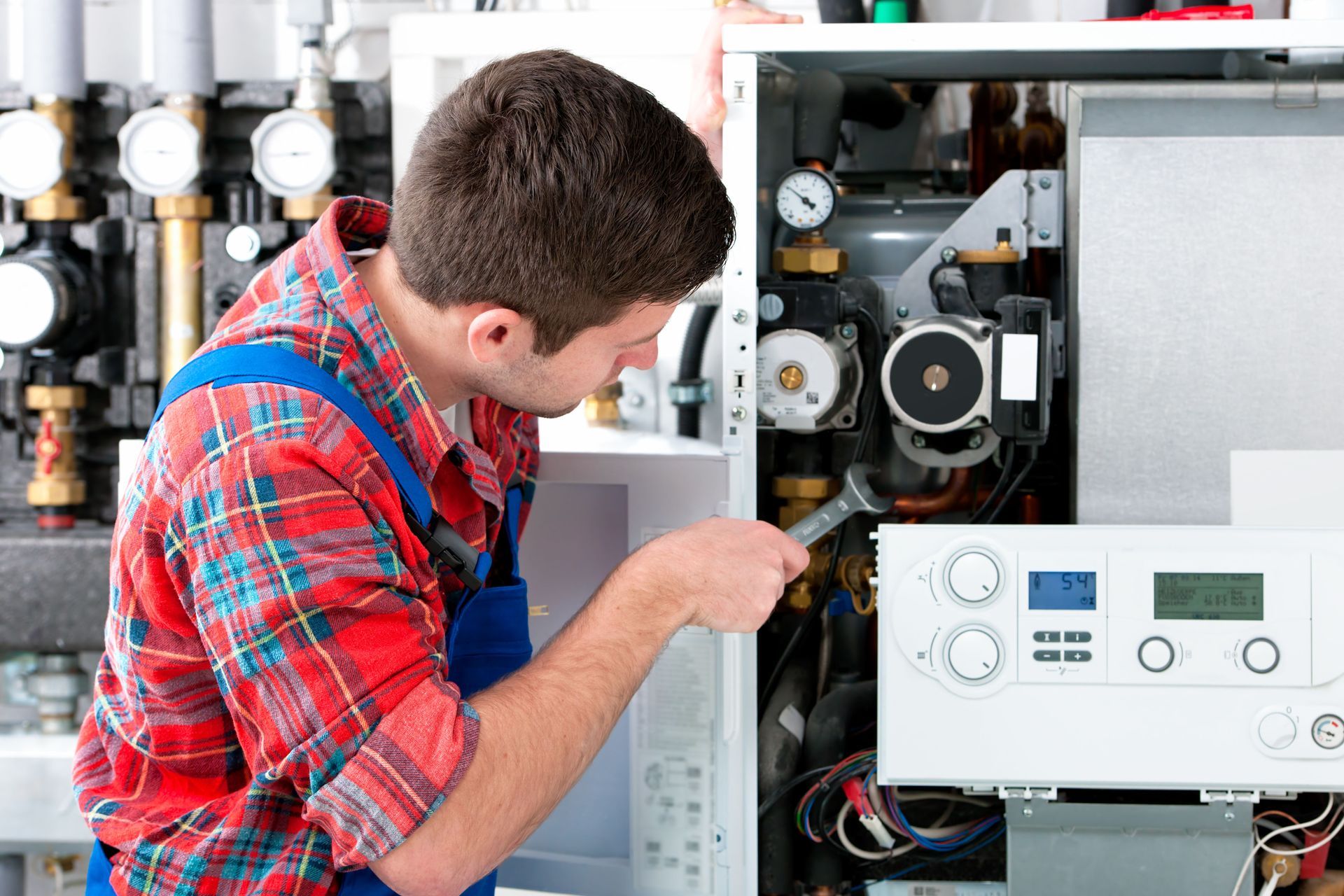
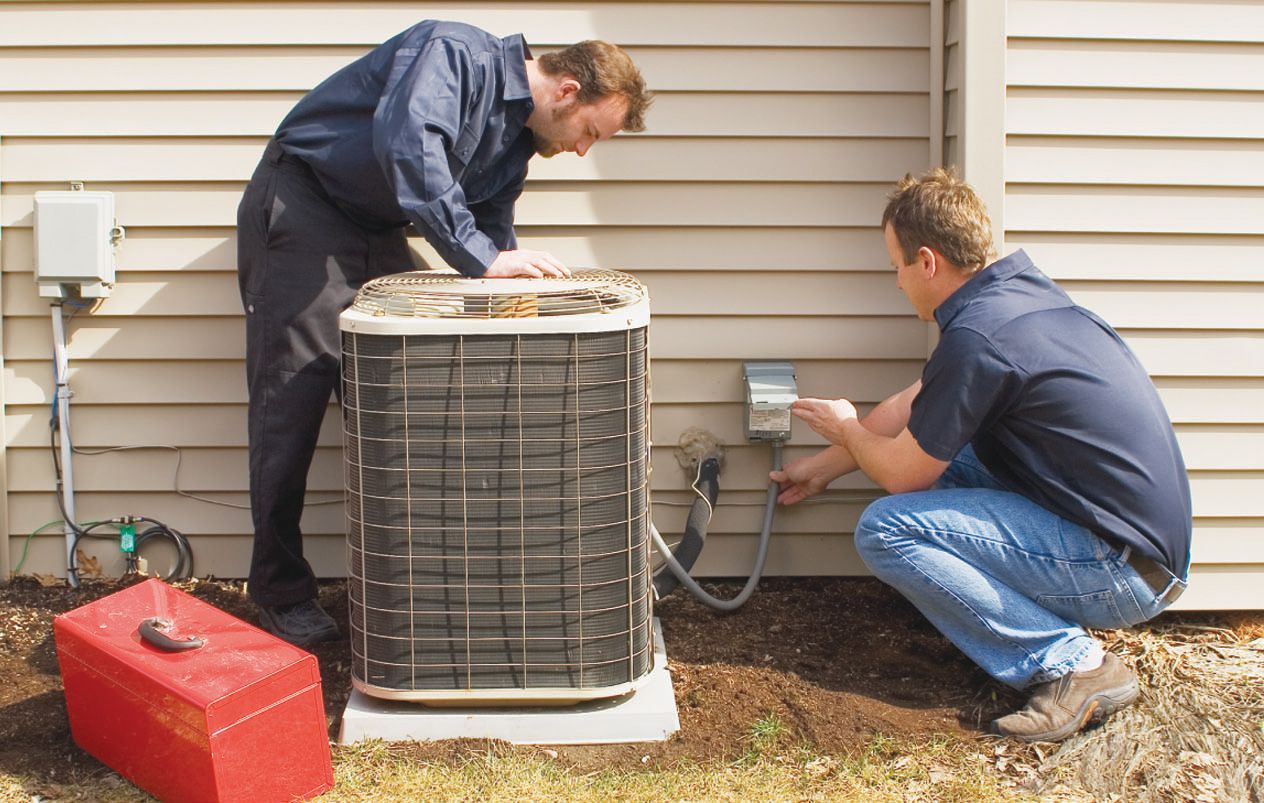
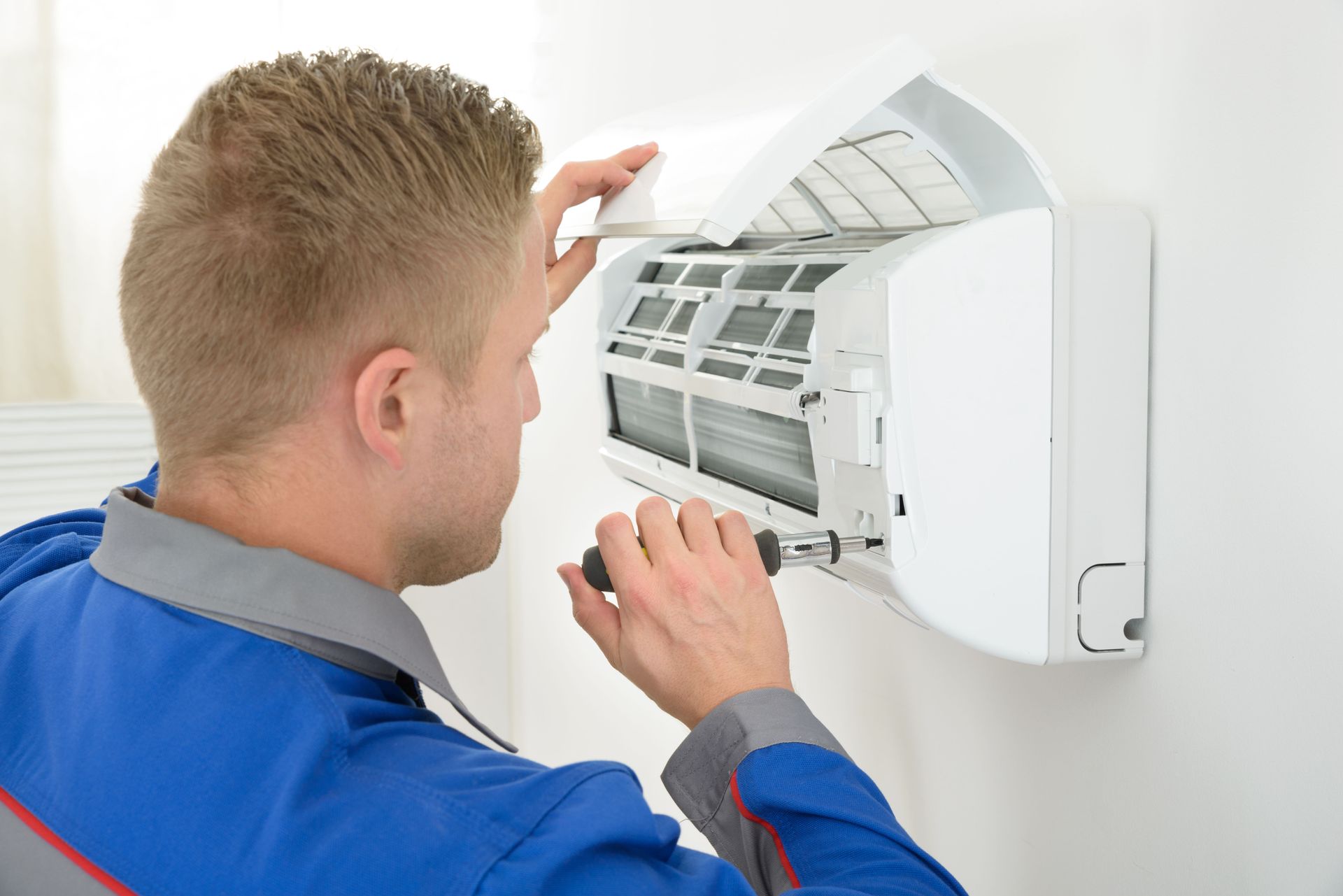
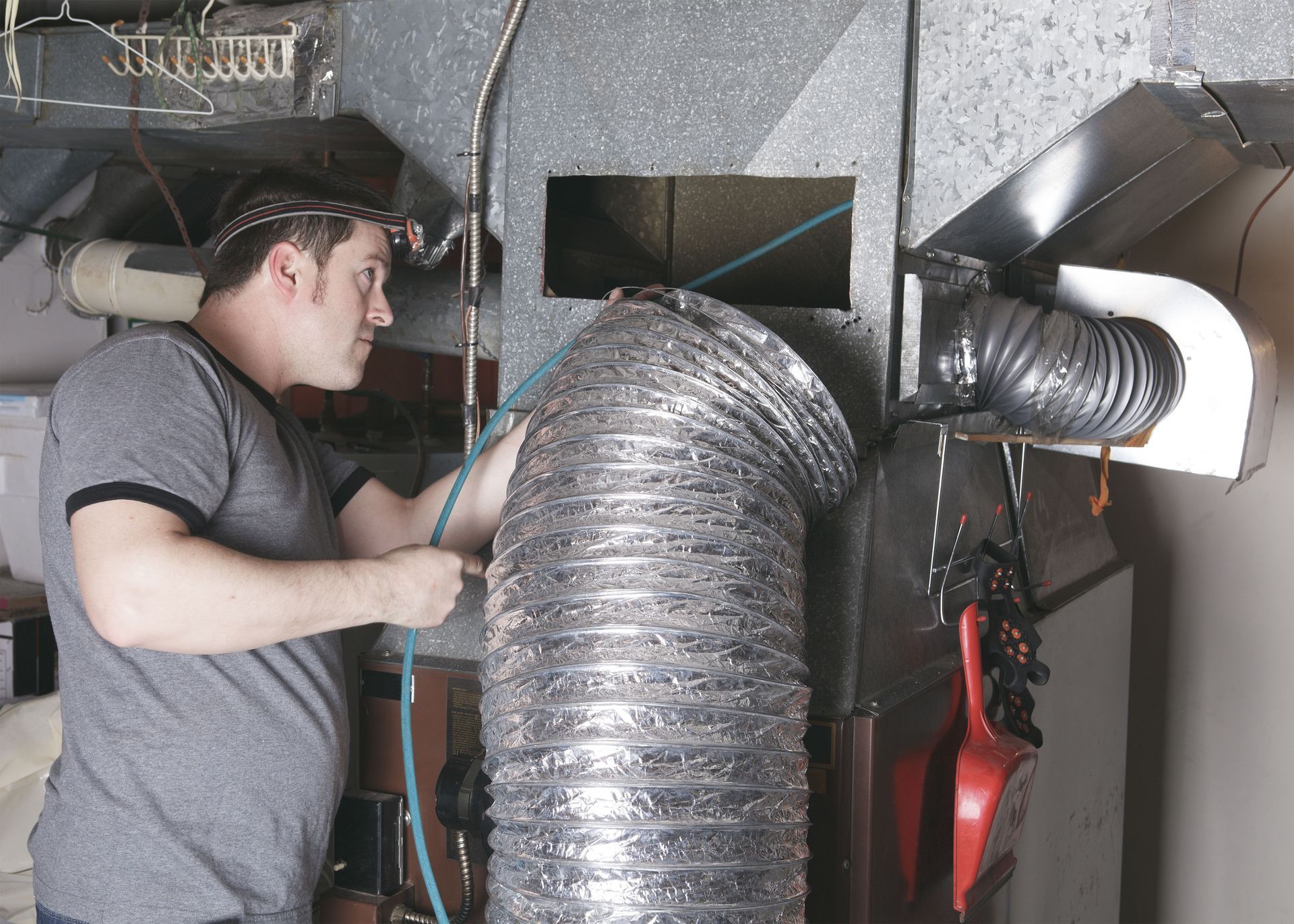
Investing in a new heating or cooling setup represents one of the most substantial financial decisions you will make for your home. Beyond the equipment itself, the long-term performance, household safety, and operational longevity of your setup depend almost entirely on the technicians performing the work. Qualified HVAC installers possess the specialized skills needed to assess your living space, evaluate thermal requirements, guide equipment decisions, and execute a flawless setup. However, choosing the right partner requires thorough evaluation, especially when considering the significant financial stakes involved. According to data compiled by Workyard, homeowners and consumers across the United States spend more than $10 billion each year on HVAC repair and maintenance. Much of that ongoing expense stems from substandard installations, improper equipment sizing, or neglected upkeep. Asking targeted, thoughtful questions before signing a project agreement helps you protect your investment, lower your long-term operating costs, and secure dependable year-round indoor climate management. Taking the time to interview potential contractors ensures your home remains comfortable and safe for decades.
1. Are You Properly Licensed, Bonded, and Insured?
When hiring technical contractors to perform major mechanical work inside your residence, verifying credentials must always serve as your initial step. Reputable HVAC installers should hold active state and municipal mechanical licenses demonstrating that they have completed formal technical training, passed rigorous competency examinations, and understand local building codes. In addition to technical licensing, comprehensive general liability coverage and active workers' compensation insurance policies are absolute essentials. General liability insurance shields your home and personal property from accidental damage occurring during the installation process, while workers' compensation ensures that you carry zero financial responsibility if a crew member experiences an injury on your premises. Furthermore, being bonded provides homeowners with an added layer of financial protection against unfinished work or contractual defaults. Before signing any contract or paying a deposit, request their official licensing numbers and an active certificate of insurance. Legitimate companies provide this documentation willingly, demonstrating complete transparency, professional integrity, and full compliance with regional safety regulations.
2. How Do You Calculate the Proper System Sizing and Capacity?
Proper equipment sizing stands among the most vital technical aspects of any successful heating and cooling replacement. You should always ask prospective HVAC installers how they calculate the appropriate heating and cooling capacity for your living space. Guessing equipment size based solely on square footage or merely matching the capacity of an existing, outdated unit often causes severe long-term performance problems. Competent professionals conduct thorough heating and cooling load calculations, analyzing architectural variables such as total square footage, ceiling heights, window styles, directional sun exposure, insulation values, and regional climate conditions. An oversized system cycles on and off rapidly, which accelerates mechanical wear, drives up electrical consumption, and fails to remove indoor humidity effectively during humid summer months. Conversely, an undersized unit operates non-stop, straining internal components while failing to reach your preferred thermostat setting during severe weather. By asking detailed questions regarding sizing calculations, you ensure that your upcoming furnace installation or air conditioner installation is engineered precisely to provide maximum energy efficiency, lower monthly utility bills, and consistent indoor comfort.
3. Which Heating and Cooling Solutions Best Match My Home?
Every residential property features unique architectural layouts, ventilation pathways, and climate demands, meaning no single heating or cooling configuration fits every household. Inquire about which specific equipment options best match your home structure and efficiency goals. For standard ducted floor plans, high-efficiency furnaces paired with advanced air conditioners deliver powerful, dependable seasonal climate control. If your home has rooms without existing ductwork, finished additions, or areas with uneven temperatures, ductless mini-splits provide focused zoning flexibility and remarkable efficiency. Furthermore, for homeowners seeking long-term sustainability and substantial energy savings, geothermal installation offers an exceptional renewable solution by leveraging the consistent temperature of the earth to heat and cool your residence. Beyond temperature regulation, ask how indoor air quality equipment can enhance your living space. Integrating whole-home humidification balances indoor moisture to relieve dry winter air, while dedicated air filtration purifies circulating air by capturing airborne dust, pollen, and microscopic particles. Professional HVAC installers take the time to evaluate these heating, cooling, and air quality options with you, helping you determine the ideal combination for your home.
4. What Does the Full Installation Process and Timeline Involve?
Clear project timelines and transparent workflows prevent unpleasant surprises and minimize disruptions to your daily family routine. Ask your HVAC installers for a detailed breakdown of the installation schedule and scope of work before signing an agreement. Clarify how many working days the job requires, when technicians will arrive on-site each morning, and whether your household will experience temporary interruptions to electrical power, water, or indoor heating and cooling. Furthermore, verify whether the project proposal includes the safe removal and disposal of old mechanical units, refrigerant recovery in compliance with environmental laws, sheet metal adjustments, and thorough post-installation cleanup. A conscientious contractor will also manage all required municipal building permits, coordinate mandatory local code inspections, and walk you through operating instructions before leaving your home. Clarifying these logistical details in advance ensures clear communication, eliminates unexpected hidden fees, and guarantees that your new heating or cooling setup transitions into service smoothly, cleanly, and safely.
5. What Manufacturer Warranties and Labor Protections Are Provided?
A major home heating or cooling upgrade should always come with substantial long-term protections. When speaking with HVAC installers, make sure to distinguish between manufacturer equipment warranties and contractor workmanship guarantees. Equipment manufacturers typically cover functional components, such as compressors and heat exchangers, for a specified period, provided the equipment is registered properly. However, manufacturer warranties rarely pay for the labor required to diagnose and replace defective parts. That makes a comprehensive labor warranty from your contractor indispensable. Ask how long the company covers its craftsmanship and what steps they take if an operational issue arises shortly after installation. Reputable contractors stand firmly behind their work, ensuring you avoid unexpected expenses if adjustments are needed.
6. What Ongoing Maintenance and Repair Support Do You Offer?
Even the most advanced heating and cooling equipment requires routine attention to maintain peak energy efficiency and prevent costly mechanical breakdowns. Before making a final commitment, ask HVAC installers what type of ongoing care and service programs they offer. Reputable contractors provide structured maintenance agreements covering seasonal furnace maintenance, air conditioner maintenance, and mini-split maintenance to keep equipment operating dependably year after year. In addition, inquire about their responsiveness for urgent furnace repair, air conditioner repair, mini-split repair, and geothermal repair services if unexpected problems arise. Regular air filtration inspections and humidification maintenance should also be included to sustain healthy indoor air quality. Establishing a lasting relationship with an experienced mechanical team ensures your equipment functions reliably through winter cold snaps and summer heatwaves alike.
Upgrading your heating and cooling equipment is an investment that shapes household comfort and monthly utility expenses for years to come. By asking targeted questions regarding licensing, sizing calculations, equipment options, installation timelines, warranties, and maintenance programs, you can identify the ideal contractor for your home. When you evaluate
HVAC installers thoroughly, you safeguard your property and secure reliable climate performance through every season. Partnering with a highly qualified team guarantees that your household remains comfortable and safe regardless of outdoor weather extremes. Making an informed decision today will provide lasting peace of mind and maximum energy savings for the future. For expert guidance, superior craftsmanship, and dependable heating and cooling services, contact VanderWerf Energy, Inc.