March 9, 2026
HVAC systems are crucial for maintaining indoor comfort. However, ignoring minor issues can escalate into major problems, leading to costly repairs and uncomfortable environments. This article dives into why procrastination in HVAC maintenance from professional HVAC services can exacerbate problems, providing insights into the domino effect of neglect. We will explore how overlooking even the smallest problem can lead to increased energy consumption, compromised safety, and financial implications. By understanding these consequences, homeowners can be more proactive in maintaining their HVAC systems.
Increased Energy Consumption
When an HVAC system isn't maintained, its operational efficiency can decrease significantly. Dirt, dust, and debris can accumulate over time, causing components to work harder than necessary. This forced overwork reduces the system’s efficiency, meaning it requires more energy to produce the same level of comfort. As a result, energy consumption increases noticeably, impacting both the environment and household budgets. This inefficiency is one reason why it’s crucial to address issues promptly and maintain a clean and well-functioning system.
Ignoring routine maintenance of your HVAC system can put unnecessary strain on its components. Parts such as fans and compressors are forced to compensate for blockages and inefficiencies elsewhere in the system. Over time, this additional strain can lead to premature wear and tear, drastically shortening the lifespan of key components. Regular inspections and maintenance can prevent this by identifying potential issues before they escalate. By alleviating this strain, the HVAC system can operate optimally, conserving energy and reducing costs.
Continuously running an inefficient HVAC system in hopes of maintaining comfort can lead to it becoming overworked. As an experienced provider of HVAC services, we've found that an overworked system not only increases energy consumption but also heats or cools indoor spaces unevenly. This can lead to hot or cold spots within the home, often prompting more adjustment attempts, resulting in higher energy usage. Proper maintenance reduces the need for the system to run excessively and ensures balanced indoor temperatures, energy savings, and consistent comfort. Hence, acknowledging minor issues and addressing them promptly prevents unnecessary overuse and limits excessive energy costs.
Escalation of Minor Issues
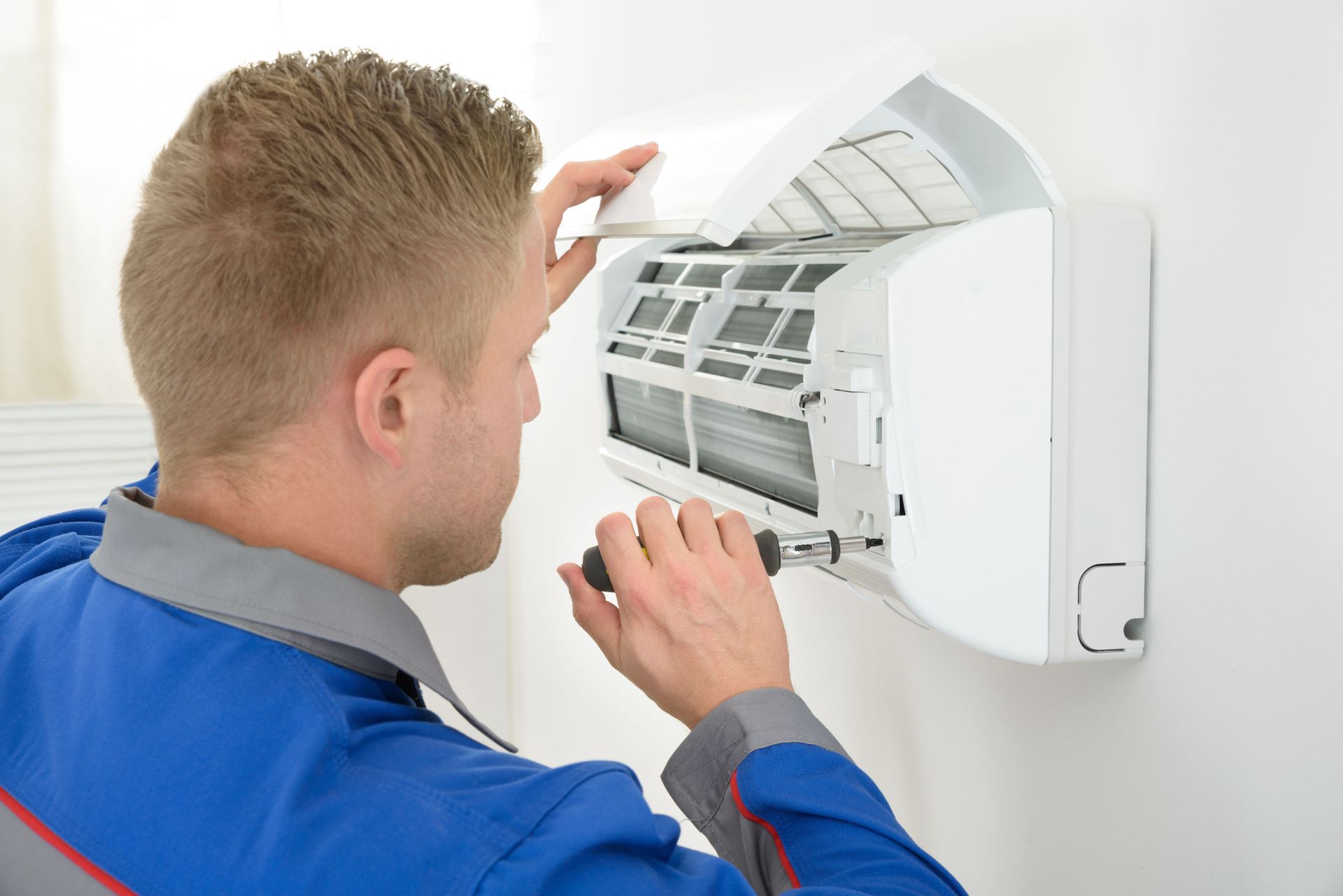
Clogged filters are a common, seemingly insignificant issue in HVAC maintenance. However, when left unchecked, these clogs can turn into severe blockages throughout the system. Blocked filters force the system to work harder, increasing wear and tear while creating opportunities for dust and allergens to circulate in the air. Routine cleaning or replacement of filters is the simplest way to avoid this common issue. Proper maintenance not only ensures better air quality but also preserves system efficiency.
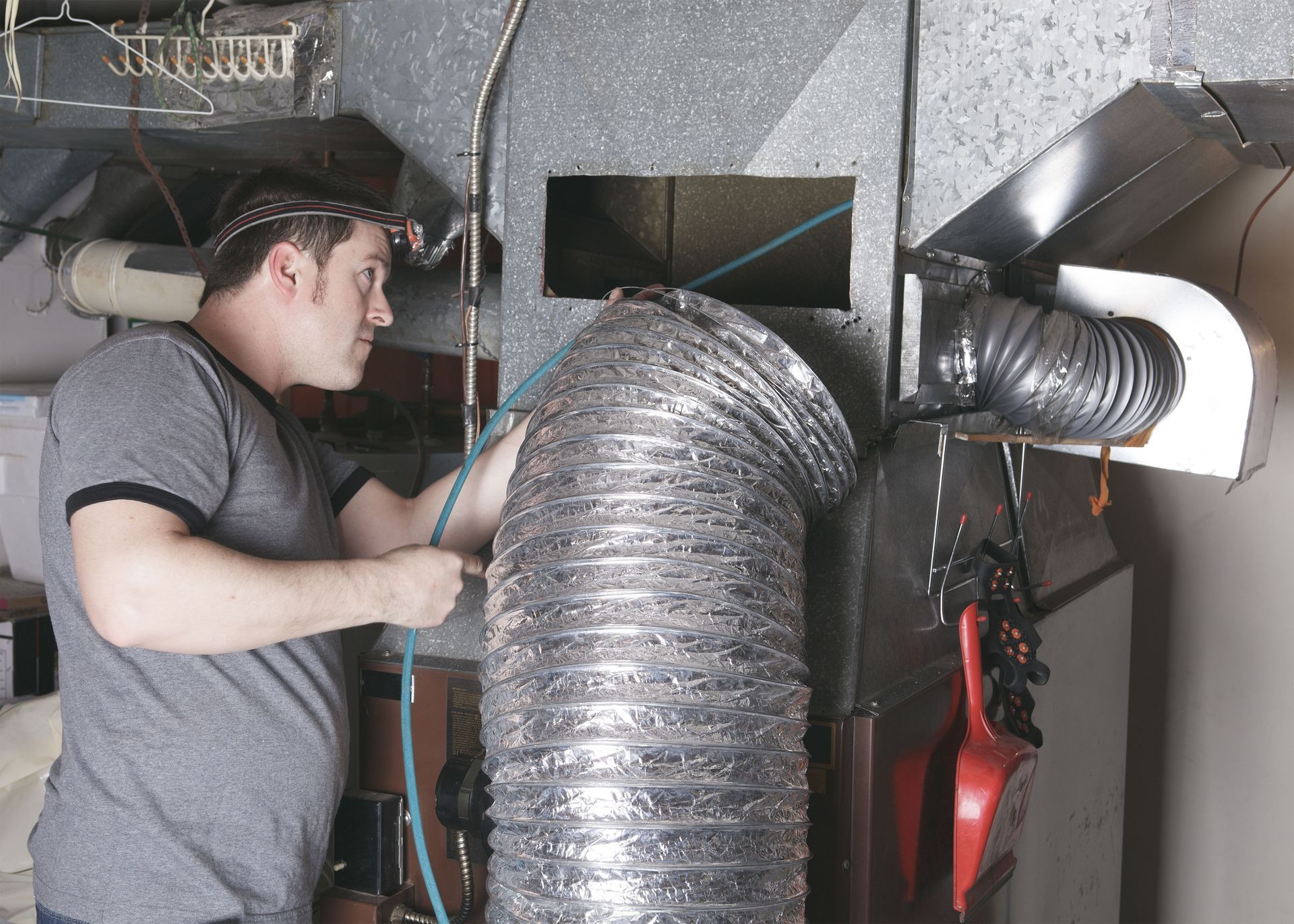
Leaks, whether in ductwork or refrigerant lines, can seem trivial but may be harbingers of bigger problems. Ignoring these leaks might lead to significant system failures, necessitating costly repairs or replacements. Small duct leaks allow conditioned air to escape, reducing efficiency and forcing the system to work harder to maintain temperatures. Likewise, refrigerant leaks impact the cooling capabilities and can damage the compressor. Addressing even the smallest leaks quickly is crucial for maintaining efficiency and prolonging the system's lifespan.
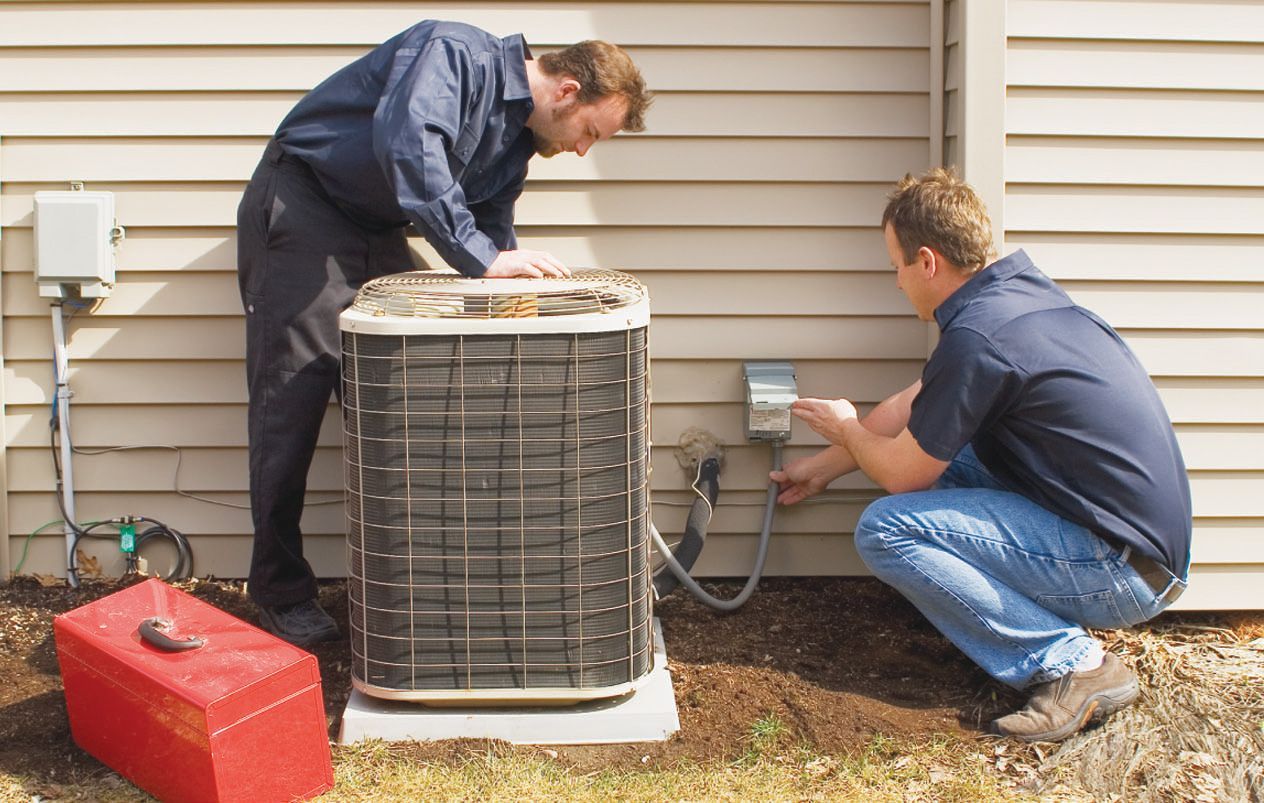
Odd noises emanating from an HVAC system, such as rattling, hissing, or banging, may be early indicators of mechanical issues. Neglecting these signs can lead to more significant problems like motor failure or loose components damaging other parts. Reasonable noise levels should be assessed frequently to catch potential issues early. Mechanical complications cost more to fix than minor tune-ups or adjustments. Early intervention from professional HVAC services can help in maintaining the system's quality and avoiding larger-scale failures.
Compromised Indoor Air Quality
An overlooked HVAC system can become a reservoir for dust, dirt, and pollutants, hampering indoor air quality. As the system circulates air, these contaminants spread throughout the home, posing health risks to occupants. People with allergies or respiratory issues may experience increased discomfort due to poor air quality. Regular maintenance, including filter changes and duct cleaning, helps to remove these pollutants, ensuring cleaner and healthier air. A proactive approach ensures the well-being of all residents and supports a healthier living environment.
HVAC systems play a critical role in regulating indoor humidity levels. When these systems are not properly maintained, humidity levels can become erratic, leading to uncomfortable and unhealthy conditions. High humidity levels foster mold and mildew growth, contributing to poor air quality and potential health issues. Similarly, low humidity can cause dry skin, respiratory issues, and increased susceptibility to illnesses. Regular maintenance keeps humidity levels balanced, promoting a comfortable and healthy indoor environment.
Moisture accumulation in neglected HVAC systems creates a perfect breeding ground for mold and mildew. These fungi can spread throughout the ductwork, affecting both air quality and system efficiency. Exposure to mold spores can lead to respiratory problems, allergic reactions, and other health issues. Regular inspections and maintenance help identify areas of concern before mold and mildew become significant problems. By maintaining a clean system, occupants enjoy safer, cleaner air, reducing the risk of health implications.
Shortened System Lifespan
Consistent neglect of HVAC maintenance accelerates the wear and tear of components, reducing their functionality. Essential parts like belts, motors, and bearings, when under constant strain, fail sooner than expected. As these parts wear out prematurely, the overall efficiency drops, leading to more frequent repairs and replacements. Component longevity is best ensured through regular inspection and timely interventions, preserving the investment in the system. Routine attention not only prolongs the lifespan of these components but also prevents sudden breakdowns.
The domino effect of minor issues in an unchecked HVAC system can lead to frequent, costly breakdowns. System failures are inconvenient and can lead to extended discomfort, especially during peak weather seasons. Regular maintenance minimizes these occurrences by addressing potential problems before they result in failure. Proper upkeep ensures operational reliability, reducing downtime and the stress associated with unexpected repairs. An efficiently running HVAC system avoids service disruptions and keeps indoor environments consistently comfortable.
Inevitable wear and tear from neglect lead many HVAC systems to reach their end-of-life sooner than anticipated. Continually resolving breakdowns and inefficiencies without proactive maintenance ultimately results in the need for complete system replacement. The financial implications of replacing an HVAC system sooner than planned can be significant. Therefore, a routine maintenance schedule is essential for maximizing system lifespan, assuring reliability, and reducing the frequency of replacements. Prolonging the life of your HVAC system saves money and preserves comfort over time.
Safety Risks
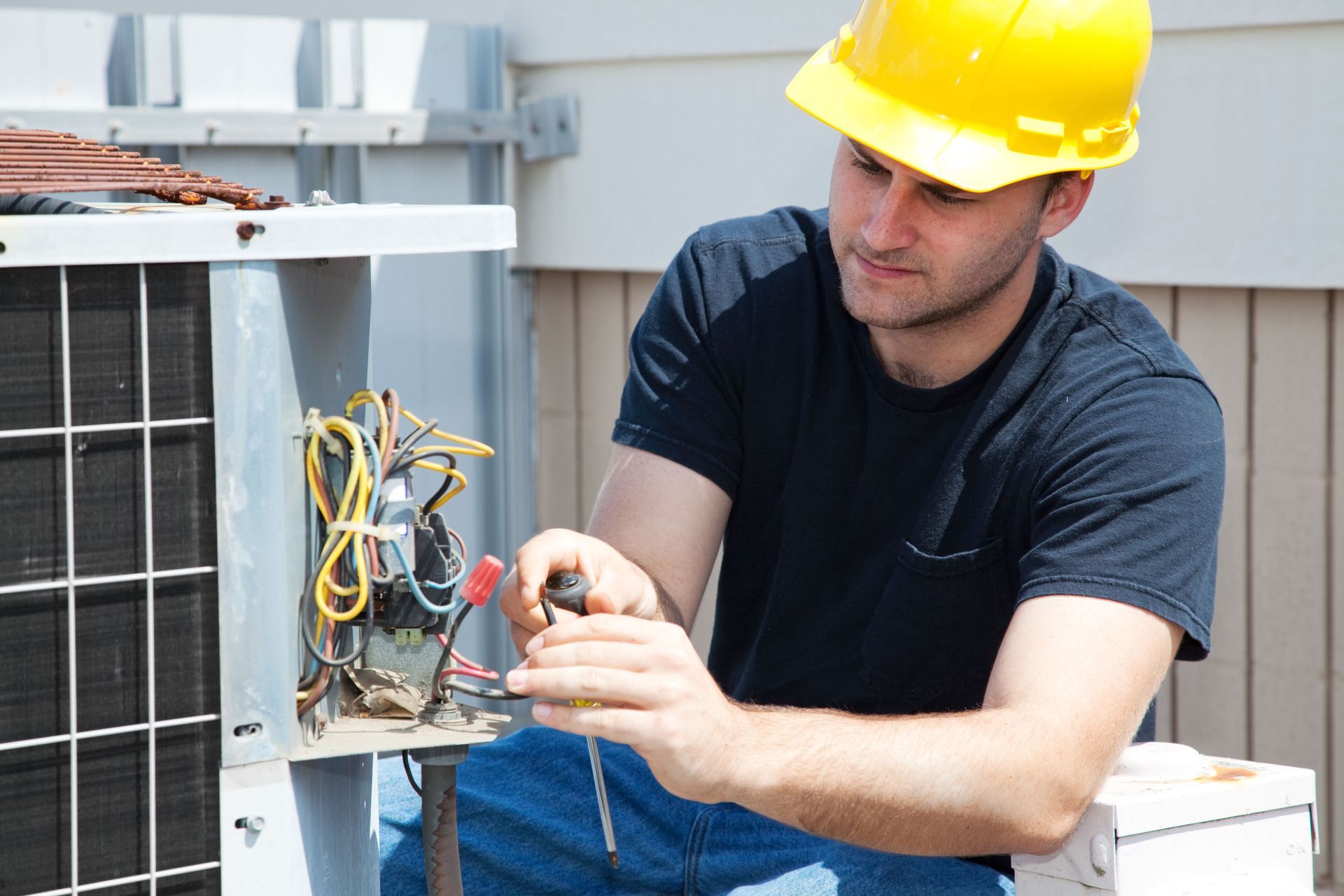
Neglecting HVAC systems can lead to significant safety risks, particularly electrical hazards like shorts or malfunctioning connections. Electrical issues are not always immediately apparent, but can represent a severe safety concern that requires professional attention. Ignoring electrical hazards can result in system failure, property damage, or even fires. Regular inspections can help identify and mitigate these potential risks, ensuring both system efficiency and household safety. Professional evaluations of electrical components reduce the chances of avoidable accidents significantly.
Malfunctioning gas furnaces pose a serious threat if not regularly inspected, potentially causing carbon monoxide leaks. This odorless, dangerous gas can accumulate in homes, posing fatal risks to occupants. As carbon monoxide detectors are crucial, routine maintenance and service checks ensure that your HVAC system operates safely without such risks. Contractors specifically inspect exhaust systems and heat exchangers to avert these dangers. Keeping these systems regularly maintained is integral to protecting household health and safety.
HVAC systems that rely on heated components or poor wiring are at risk of catching fire if not properly maintained. Accumulated dust and debris can ignite, especially if in close contact with electrical components and heat exchangers. The fire hazards from poorly maintained systems are significant due to potential damage and endangerment of lives. Routine cleaning and inspection with an emphasis on troubleshooting known fire hazards are paramount. Proper care and awareness protect HVAC systems from becoming fire risks in any home.
Regular HVAC maintenance is not merely a recommendation but a necessity for ensuring system efficiency and longevity. Ignoring issues doesn't just cause discomfort; it leads to increased costs, health risks, and potential system failure. According to MarketsandMarkets, the North American HVAC system market is expected to reach a valuation of $57.6 billion by 2030, indicating high repair and maintenance demand. By addressing problems early, homeowners can enjoy a safe, comfortable, and economically viable environment. Emphasizing consistent maintenance from professional HVAC services remains a crucial priority in averting the domino effect of neglect. Contact VanderWerf Energy, Inc today.