January 9, 2026
Heating and cooling systems play a critical role in maintaining comfort, safety, and energy efficiency in both residential and commercial spaces. Over time, even well-maintained systems experience wear that can affect performance and reliability. Seasonal temperature changes, daily usage, and environmental factors all place stress on HVAC components. Scheduling professional care at the right intervals helps extend equipment lifespan and reduces the risk of unexpected breakdowns. Many homeowners wait until something fails before calling for help, but proactive planning often saves money and stress. Understanding which services should be scheduled every few years helps ensure consistent comfort and dependable operation.
1. Scheduling Comprehensive Furnace Inspections
Furnaces require periodic inspections to ensure they operate safely and efficiently. Internal components can wear down, loosen, or accumulate debris over time. Professional HVAC services include checking burners, heat exchangers, and safety controls for proper function. Routine inspections help identify minor issues before they become costly repairs. Regular service also supports consistent heat distribution throughout the home. During inspections, technicians often examine ductwork, vents, and airflow balance, which can reveal hidden inefficiencies. Addressing these issues early can prevent uneven heating in different rooms and help maintain lower energy bills. Scheduling inspections every few years keeps heating systems dependable during colder months and ensures families remain safe and comfortable.
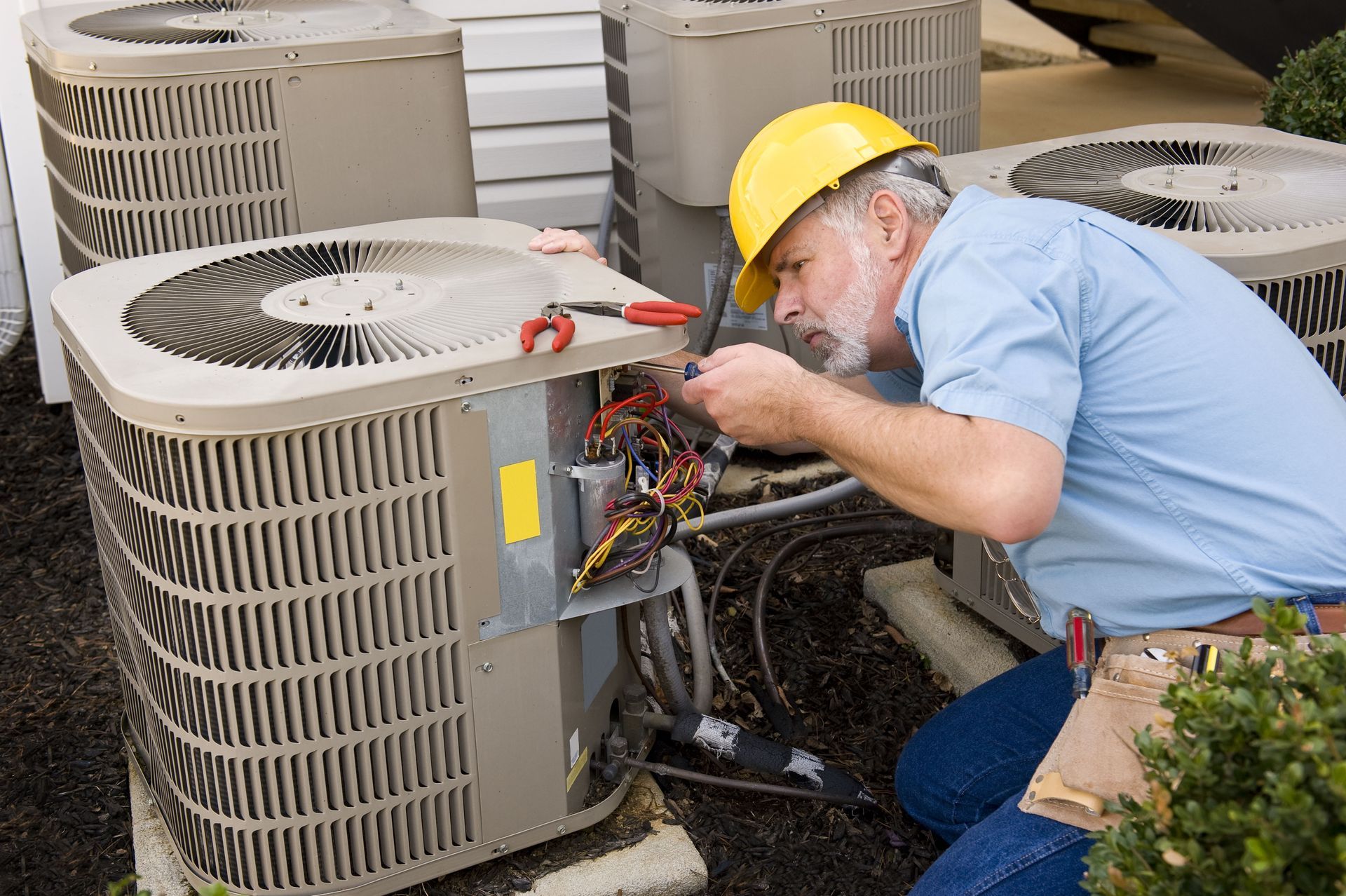
Even if a furnace appears to be working properly, hidden issues can develop internally. Furnace repair and maintenance address wear on motors, belts, and electrical connections. According to CNET, you can expect an HVAC system to last for anywhere between 15 and 20 years. Proper maintenance helps systems reach that expected lifespan by reducing strain on critical components. Preventive maintenance also improves energy efficiency and reliability. Maintenance may include cleaning and lubricating moving parts, inspecting safety controls, and testing system operation under load. Technicians can identify small leaks, electrical inconsistencies, or failing components that might not be immediately noticeable.
2. Scheduling Air Conditioning Performance Evaluations
Air conditioning systems benefit from regular performance evaluations to maintain consistent cooling. Dust buildup, refrigerant issues, and airflow restrictions can reduce efficiency over time. Professional HVAC services assess system output, airflow balance, and operational reliability. These evaluations help prevent uneven temperatures and rising energy bills. Technicians can check refrigerant levels, inspect coils for corrosion, and verify that thermostats are accurate. Performance evaluations also allow professionals to identify minor leaks or clogs before they escalate. Early intervention maintains proper cooling and ensures that the system will handle peak summer heat effectively.
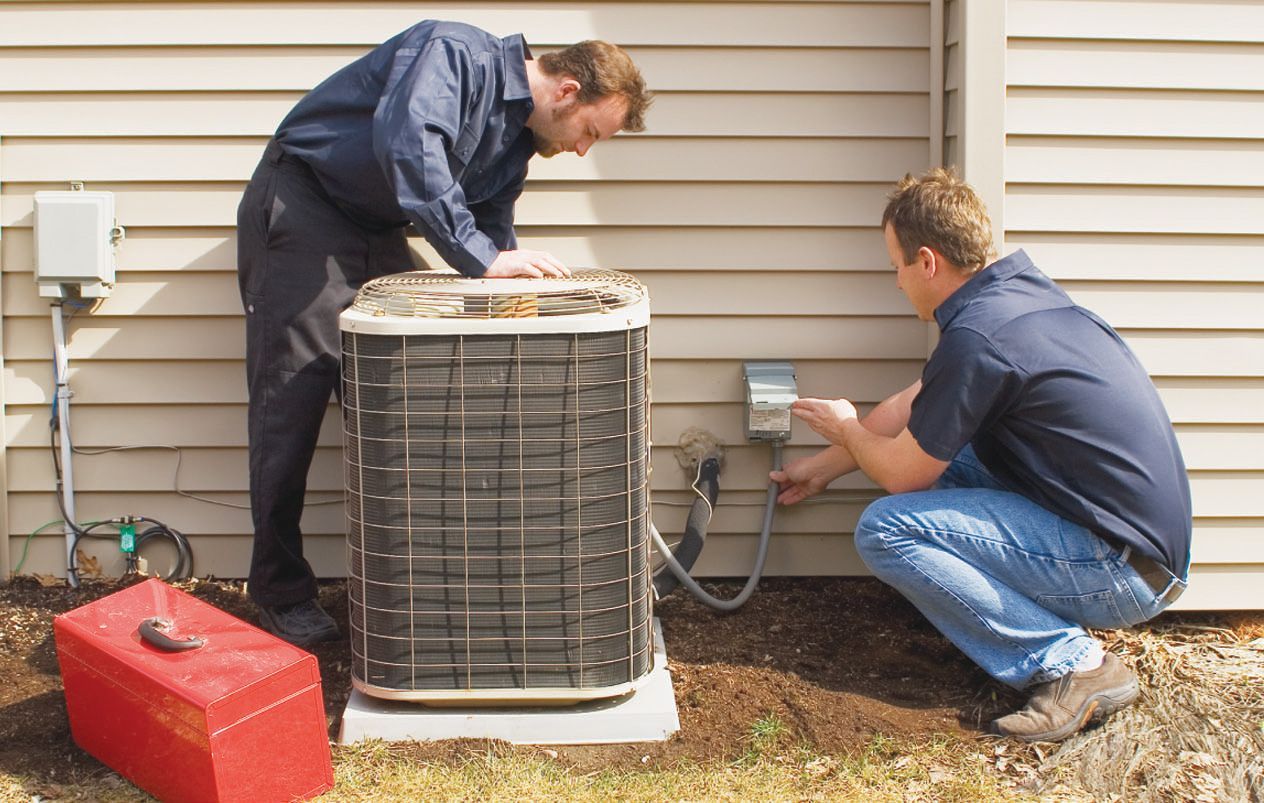
A/C repair and maintenance address wear that develops after repeated cooling cycles. Components such as compressors, coils, and fans require periodic attention. These services include cleaning, lubrication, and performance testing to maintain efficiency. Routine maintenance reduces stress on the system and helps prevent sudden failures. Professionals often inspect electrical connections and condenser units for corrosion or damage, ensuring safe operation. Maintenance can also prevent refrigerant loss, which compromises performance and increases energy costs. Keeping cooling systems serviced improves indoor comfort, air quality, and system longevity.
3. Evaluating the Need for Furnace Installation Updates
As systems age, replacement becomes more cost-effective than ongoing repairs. Older furnaces may struggle to meet modern efficiency standards or household demands. Professional HVAC services help homeowners evaluate when furnace installation is the best option. Newer systems often provide improved comfort, quieter operation, and lower operating costs. Evaluations consider system age, performance history, and energy usage. Technicians can also recommend models that fit current home requirements while anticipating future needs. Installation of an updated furnace often results in energy savings and fewer maintenance issues over time.
Air conditioning systems nearing the end of their service life may require replacement. A/C installation ensures homes maintain reliable cooling during extreme temperatures. These services help assess system capacity, layout, and efficiency needs before installation. New units often offer better energy performance, quieter operation, and advanced climate controls. Technicians can recommend ductwork improvements or zoning solutions to optimize efficiency. Professional installation supports proper airflow and long-term reliability. Planning replacements in advance avoids emergencies during peak summer months and ensures a seamless transition between old and new systems. Choosing the right system can improve comfort, reduce energy bills, and enhance home value.
4. Scheduling Mini-Split System Evaluations
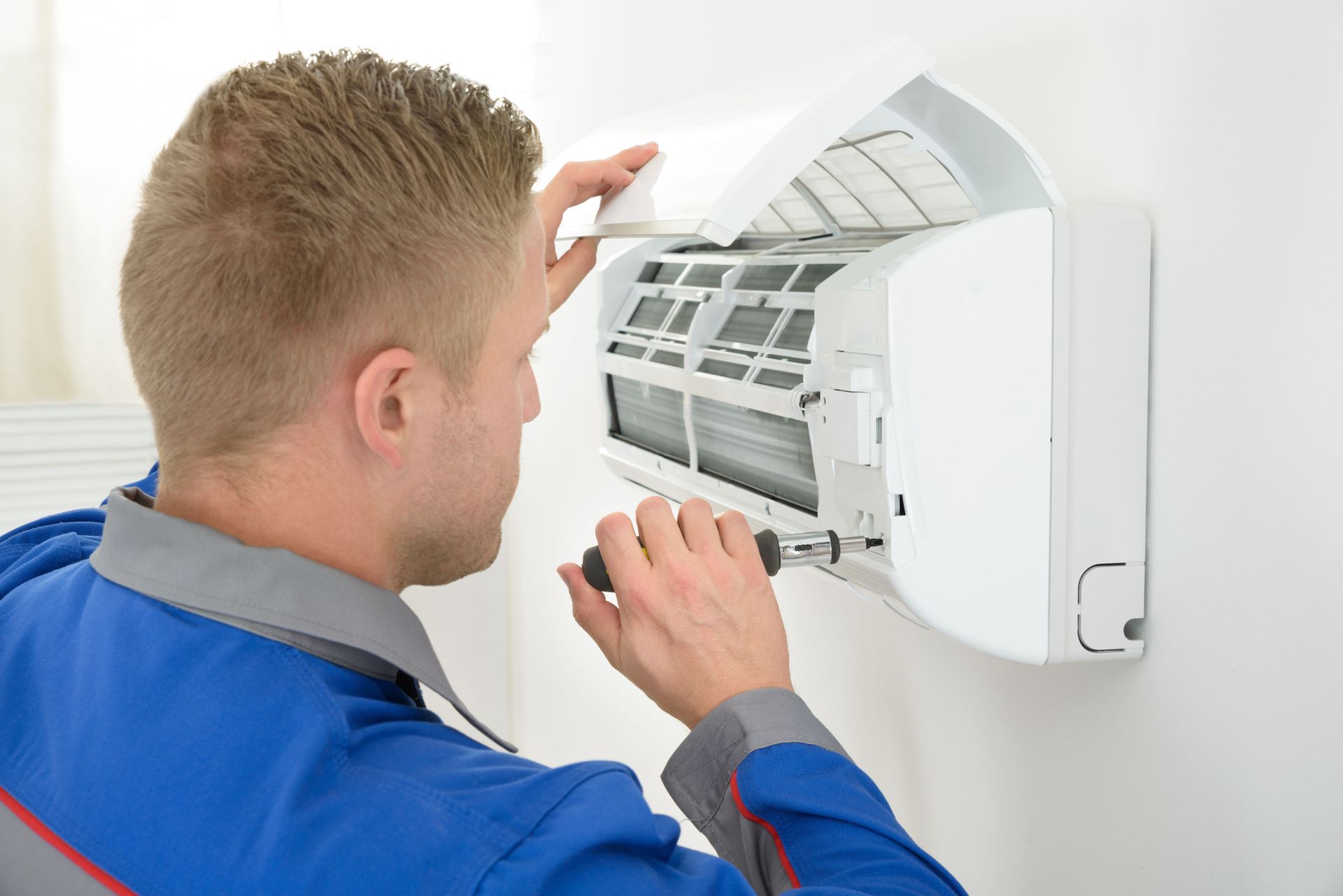
Mini-split systems provide flexible, zoned comfort but still require routine care. Over time, components can wear or lose efficiency without proper maintenance. A professional can evaluate indoor and outdoor units for performance, airflow, and electrical integrity. Technicians check for refrigerant leaks, fan operation, and thermostat calibration. Regular inspections help maintain balanced temperatures across different zones and prevent uneven heating or cooling. Preventive attention extends system life, improves efficiency, and reduces the likelihood of emergency repairs.
Mini-split repair and maintenance address issues such as refrigerant levels, electrical connections, and airflow restrictions. HVAC services ensure each zone performs consistently without unnecessary strain. Maintenance helps prevent uneven cooling or heating throughout the home, while also keeping energy usage in check. Keeping components clean and adjusted improves overall efficiency and prevents premature wear on compressors and fans. Scheduled service reduces the likelihood of sudden system failures and increases the comfort of living spaces. Regular care supports long-term performance, helps detect minor problems before they escalate, and preserves the investment in mini-split systems over time.
5. Reviewing Geothermal System Performance
Geothermal systems rely on underground loops and specialized components that benefit from periodic review. Over time, efficiency can decline without professional evaluation. HVAC services assess system output, circulation, and control systems for accuracy. Technicians examine pumps, loop pressure, and heat exchange effectiveness. Performance reviews help ensure stable heating and cooling year-round while detecting early signs of wear. Addressing minor issues proactively prevents costly repairs and improves energy efficiency. Regular reviews maintain the long-term benefits of geothermal technology, ensuring a reliable and sustainable source of comfort for homes and businesses alike.
Geothermal repair and maintenance focus on preserving system efficiency and reliability. HVAC services include checking pumps, loop pressure, and heat exchange performance. Routine service prevents operational strain and improves energy consistency, reducing the risk of emergency breakdowns. Proper maintenance supports system longevity and dependable comfort. Professionals can also evaluate control systems, insulation, and loop integrity to optimize performance. Addressing minor issues early reduces the risk of major disruptions, keeping geothermal systems running efficiently year-round.
6. Replacing and Maintaining Air Filters Regularly
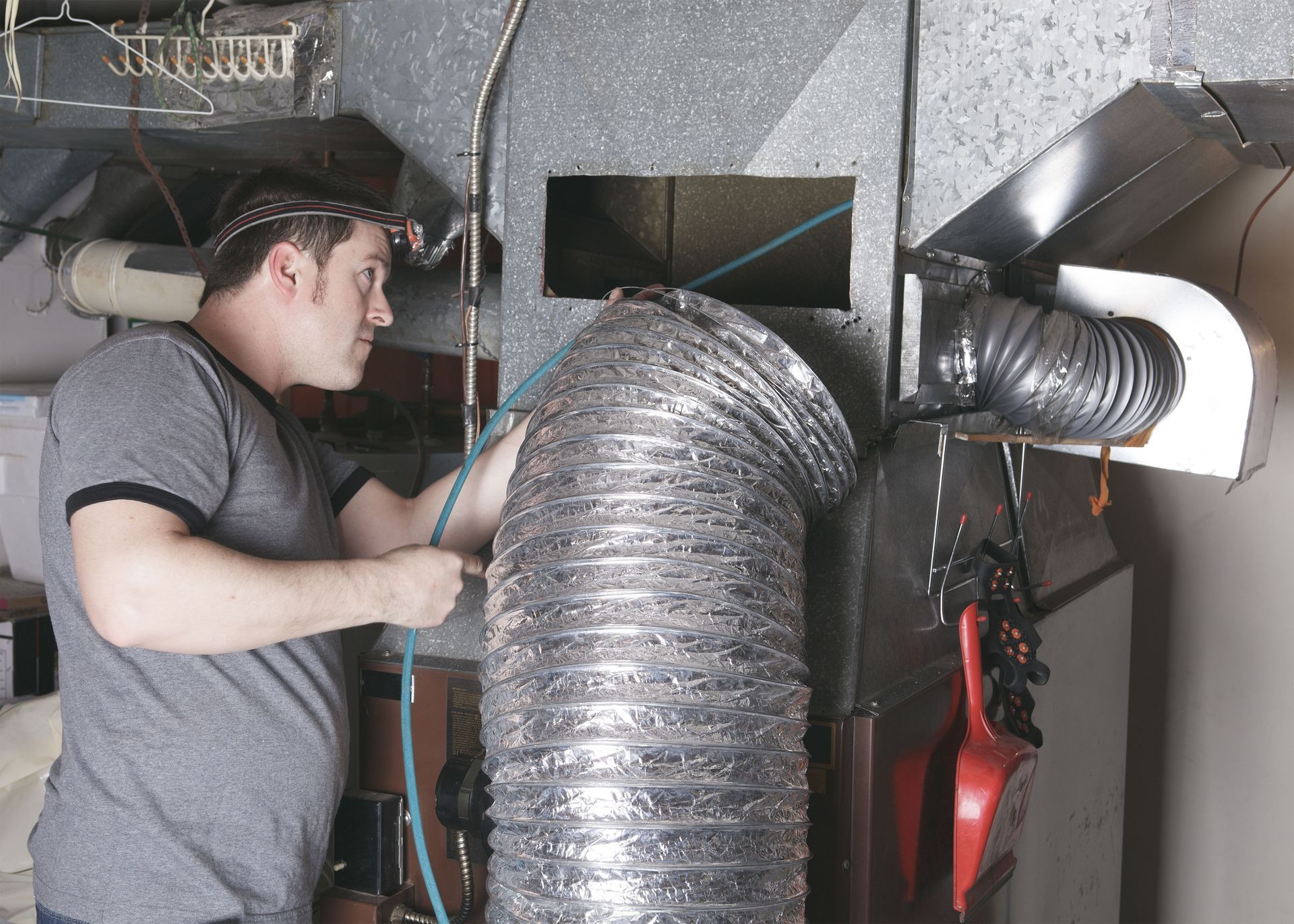
Air filter services play a vital role in indoor air quality and system efficiency. Dirty filters restrict airflow and force systems to work harder, increasing energy costs and wear on components. These services include inspecting and replacing filters as needed. Clean filters help reduce dust, allergens, and strain on equipment, improving both comfort and health. Regular filter maintenance also prolongs the lifespan of furnaces, A/C units, and mini-splits. Consistent care supports healthier indoor environments, more efficient performance, and reduced repair costs over time.
Scheduling routine heating and cooling care every few years supports efficiency, reliability, and long-term comfort. VanderWerf Energy, Inc provides comprehensive HVAC services, including furnace repair and maintenance, furnace installation, A/C repair and maintenance, A/C installation, mini-split repair and maintenance, mini-split installation, geothermal repair and maintenance, geothermal installation, and air filter services. Fully licensed and insured, locally owned, and family operated, their team brings over 40 years of experience along with quick emergency services and free estimates for new installations. Preventive maintenance plans help homeowners save money while reducing the risk of unexpected system failures. Long-term care allows systems to operate closer to their intended lifespan while minimizing costly disruptions. Choosing a trusted provider ensures expert guidance, reliable workmanship, and peace of mind through every season. For more information, contact us today!